Service · Capital Projects
Project Management & Owner's Representation
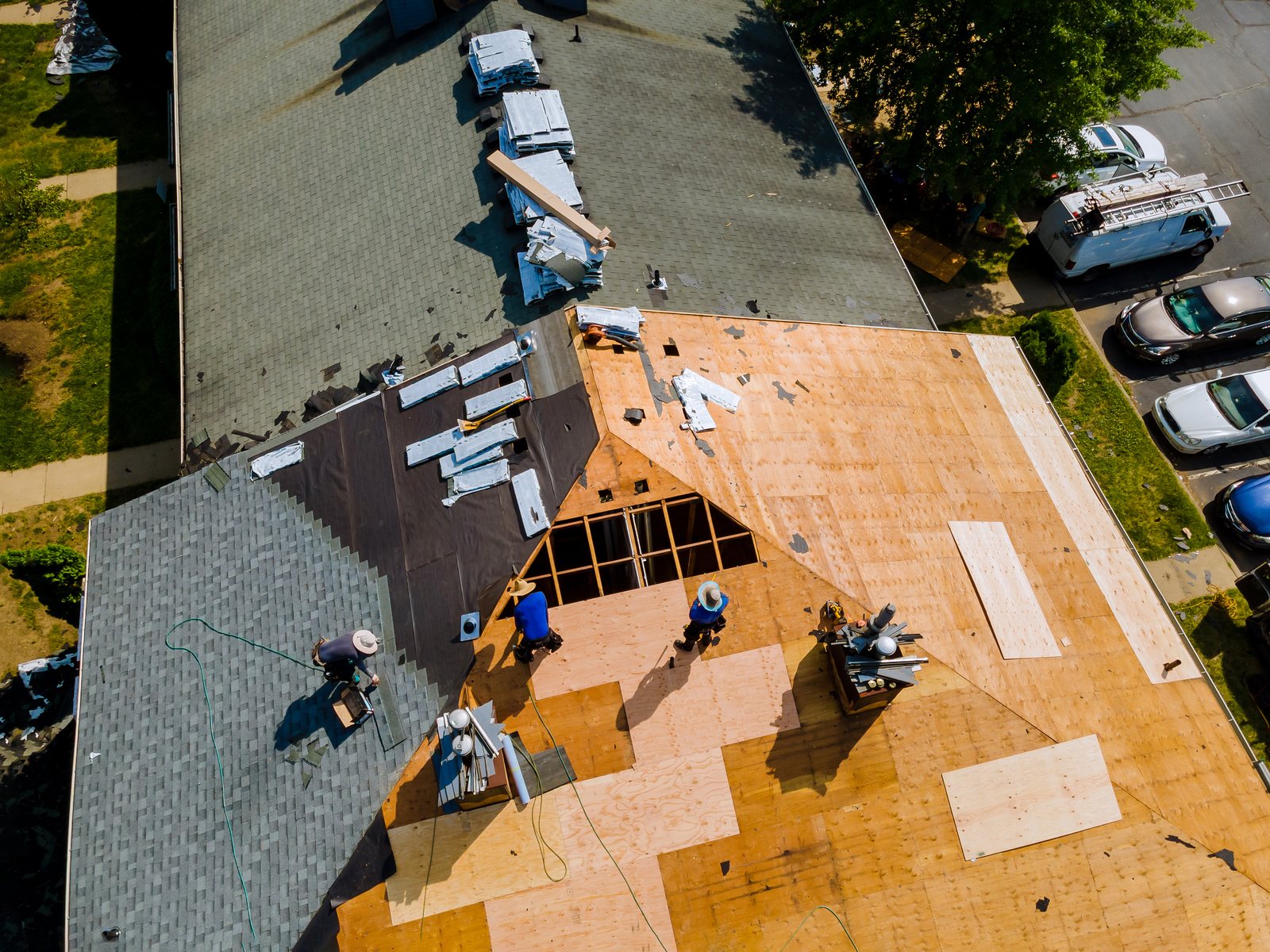
Roofs, siding, decks, pavement, building envelopes, when your association spends real money, someone who knows construction should be standing on your side of the table. That's the job.
What it is
An owner's representative manages the project for the owner, in your case, the association. The contractor's project manager works for the contractor; their job is to protect the contractor's margin and schedule. Our job is the mirror image: protect the association's money, scope, and quality, and report everything to the board in plain English.
We hold no stake in the construction contract, sell no change orders, and our fee never changes based on which contractor your board selects. When we push back on an invoice, it's because the numbers don't check out.
Who it's for
- Associations starting a capital project, reroofing, siding replacement, structural repairs, pavement, common-area renovations.
- Boards in the middle of storm restoration where scope, insurance proceeds, and contractor work all have to reconcile.
- Boards that need an independent layer on a big project, an experienced set of eyes on the work, the invoices, and the schedule.
How it works
- Pre-construction review. We check the contract, scope, schedule, and insurance requirements before work starts, most disputes are baked in on day one.
- Weekly site visits. Boots on the roof and eyes on the work, documented with photos, while it can still be corrected cheaply.
- Status and financial reporting. The board gets a regular plain-English report: what's done, what's behind, what it's costing, what's coming.
- Invoice and pay-application review. Every payment request is checked against work actually in place before the association releases money.
- Change-order discipline. Changes get scoped, priced, and justified in writing before approval, not discovered on the final bill.
- Punch list and closeout. The project isn't done until the deficiencies are fixed and the association holds its warranties, lien waivers, and closeout documents.
Start Here
Request project management and representation
Tell us about the project and we will come back with what oversight would look like on your side of the table.
Got a project coming?
Call before you sign the contract. Already signed? Call anyway, there's still money on the table to protect.